NeuroHorizon Method Practitioner Directory
Find a NeuroHorizon Method Practitioner Near You
If you are exploring therapy approaches that focus on supporting your child’s neurological and motor development, you may come across the NeuroHorizon® Method.
This page will help you:
• Understand what the NeuroHorizon Method is
• Learn which children may benefit
• Find a NeuroHorizon-trained practitioner near you
• Explore other movement-based neuroplasticity approaches
What Is the NeuroHorizon Method?
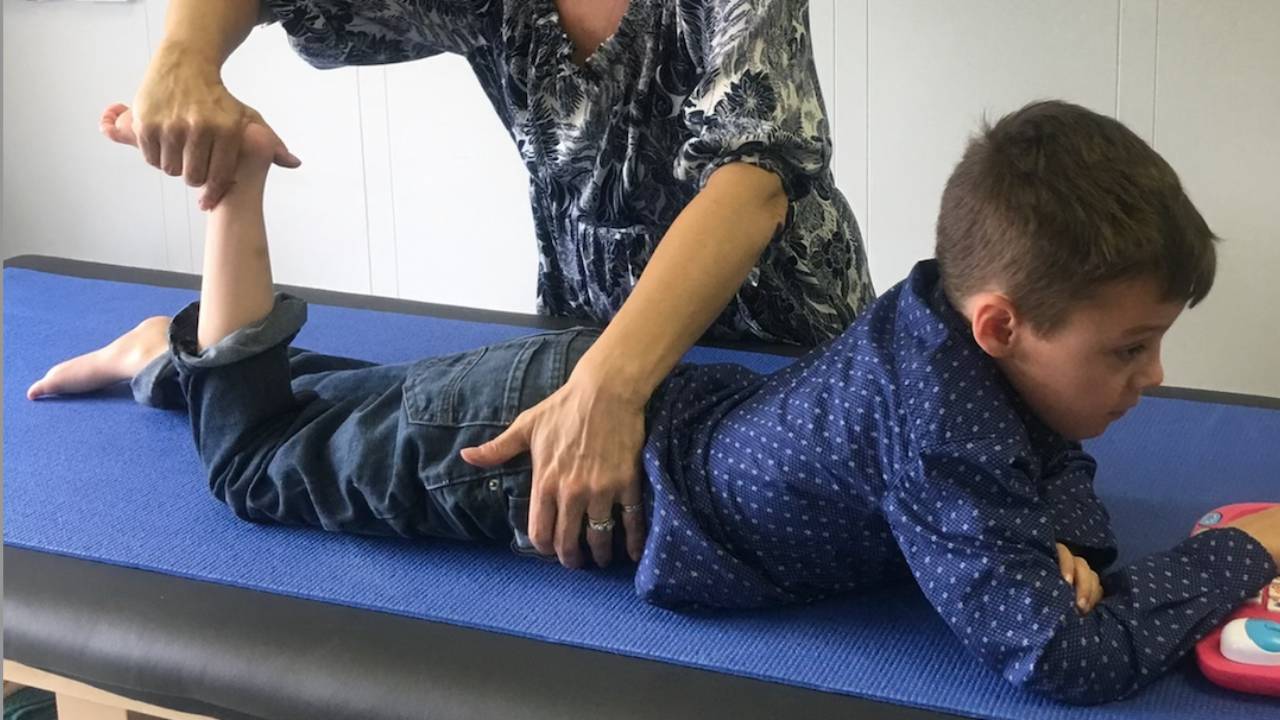
The NeuroHorizon Method is a movement-based approach designed to support neurological development, coordination, and motor learning in children.
The method focuses on helping the brain and body work together more efficiently through guided movement experiences.
Sessions typically involve activities that aim to:
• support postural control and balance
• improve coordination and movement organization
• encourage active participation and problem-solving
• provide varied movement experiences for the nervous system
The NeuroHorizon Method is often explored by families looking for approaches that support development through movement and brain-based learning.
Which Children May Benefit From the NeuroHorizon Method?
The NeuroHorizon Method may be used with children who benefit from support in developing motor control, coordination, and overall movement skills.
Families may explore this approach when a child has challenges related to:
• delayed motor development
• coordination difficulties
• balance and postural control
• muscle tone differences
• movement planning challenges
Children receiving NeuroHorizon sessions may include those with:
• developmental delays
• neurological conditions
• genetic conditions
• motor coordination challenges
Because sessions are tailored to the individual child, practitioners typically adjust activities based on the child’s needs and abilities.
What Happens in a NeuroHorizon Method Session?
During a NeuroHorizon session, a practitioner guides the child through movement experiences designed to support neurological and motor development.
Activities may include opportunities to:
• explore different positions and movements
• develop balance and postural responses
• improve coordination and control
• respond to changing movement challenges
Sessions are interactive and adapted to the child’s responses, allowing for gradual development of new movement patterns.
The focus is typically on helping the nervous system organize more efficient movement through experience.
Find a NeuroHorizon Method Practitioner Near You
If you’re looking for a practitioner trained in the NeuroHorizon Method, there is a curated directory created by the founder of the approach.
Unlike some directories that list only one method, this directory includes practitioners trained in:
• NeuroHorizon Method (NHEM)
• Feldenkrais Method®
• Anat Baniel Method®
This reflects the shared foundations between these movement-based approaches.
View the practitioner directory here:
https://www.neuroconnect.world/
How This Directory Works
The directory includes movement educators who:
• have completed specialized training programs
• are trained to work with children
• were actively working with clients at the time of listing
Practitioners are listed by location (country, region, and name), and you can:
• scroll by location
• search using your browser (city, country, name, etc.)
• contact practitioners directly through their listed details
Understanding the Practitioner Designations
You may see different credentials listed next to practitioners’ names:
• NHEM – NeuroHorizons Experiential Movement Practitioner or Mentor
• GCFP – Guild Certified Feldenkrais Practitioner®
• ABMNM CM – Anat Baniel Method® NeuroMovement® (Children’s Mastery certification)
Many practitioners have training in more than one approach.
Important Notes
• This directory is independently curated as a public service
• It may not include all available practitioners
• Not all practitioners offer the same services or availability
• Some practitioners may travel, but only their primary location is listed
If you’re unsure which approach is the best fit, it can be helpful to contact practitioners directly and ask about:
• their experience with your child’s needs
• how they structure sessions
• which methods they use
Not Sure Which Practitioner to Choose?
If you're feeling unsure where to start, you're not alone.
Many parents find themselves comparing different approaches, reading about therapies, and still wondering what will actually help their child.
The truth is, there isn’t always one “perfect” method.
What often matters most is:
• finding an approach your child responds well to
• working with a practitioner you trust
• supporting your child consistently over time
For many families, it can be helpful to start with simple, low-pressure ways to support movement at home, while exploring therapy options.
A Gentle Place to Start at Home
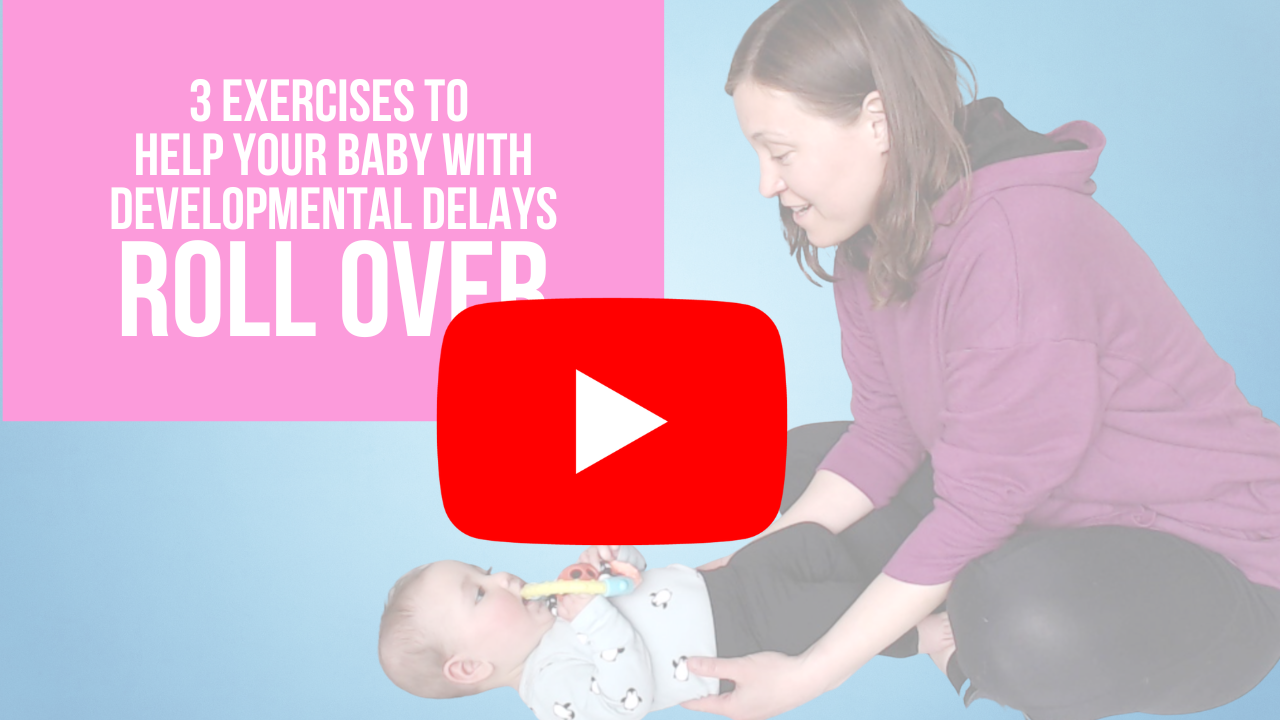
To help with this, I created a short free video where I walk you through 3 gentle movement ideas you can try with your child.
These are designed to support:
• rolling
• coordination
• body awareness
They’re simple, calming, and easy to try, even if you're still figuring out your next steps.
Other Movement-Based Approaches Parents Often Explore
While physical therapy is often the foundation of a child’s care, some families also explore additional approaches that focus on movement and nervous system learning.
These approaches may be used alongside physical therapy or as part of a broader plan:
• Anat Baniel Method®
a neuroplasticity-based approach focused on gentle movement and brain-body connection
• Feldenkrais Method®
uses slow, exploratory movement to improve coordination and awareness
• Dynamic Movement Intervention (DMI®)
focuses on developing postural responses through dynamic movement challenges
• Cuevas Medek Exercises® (CME®)
focuses on stimulating automatic motor responses through structured movement challenges
• Rhythmic Movement Training
focuses on early developmental movement patterns
• NeuroHorizon Method
a newer approach focused on neurological development
• JRK Method
a movement-based approach used with children with developmental challenges
Each approach works differently, and families often explore the options that best support their child’s needs.
Frequently Asked Questions
Is the NeuroHorizon Method a therapy?
The NeuroHorizon Method is a movement-based approach that works with children’s development.
Rather than focusing only on physical outcomes, it emphasizes how the brain learns through movement, attention, and experience.
Practitioners may use it within educational or therapeutic contexts, depending on their background and training.
How is the NeuroHorizon Method different from other movement approaches?
While many movement-based approaches focus on improving strength or practicing specific skills, the NeuroHorizon Method places a strong emphasis on how movement is experienced and organized by the nervous system.
Sessions often focus on:
• the quality of movement rather than repetition
• the child’s ability to sense and respond to movement
• creating conditions that support learning and adaptation
Because of this, sessions may feel different from more exercise-based or highly structured therapy approaches.
Is it similar to Feldenkrais or the Anat Baniel Method?
The NeuroHorizon Method shares some foundational ideas with approaches such as the Feldenkrais Method® and the Anat Baniel Method®, particularly in how movement is used to support brain learning.
At the same time, each approach has its own style, structure, and emphasis, depending on the training and experience of the practitioner.
Some practitioners may have training in more than one of these methods.
What happens during a NeuroHorizon session?
Sessions are typically guided by a practitioner and adapted to the individual child.
Rather than following a fixed set of exercises, the practitioner may:
• guide the child through varied movement experiences
• adjust positioning and support based on the child’s responses
• introduce gentle challenges that encourage new patterns of movement
• support attention, awareness, and engagement
Sessions often evolve moment-to-moment, based on how the child responds.
Who is this approach suitable for?
The NeuroHorizon Method may be explored with children who would benefit from support in:
• coordination and motor development
• balance and postural control
• movement organization and planning
• overall neurological development
It may be used with children with a wide range of developmental differences.
Can parents be involved in sessions?
In many cases, parents are included as part of the process.
This may involve:
• observing sessions
• learning ways to support their child at home
• gaining a deeper understanding of how their child learns through movement
Parent involvement can help carry over learning into everyday life.
Can I use these ideas at home?
Some principles related to movement and learning can be explored at home, especially when guided by a practitioner.
Simple activities that encourage:
• curiosity
• variation in movement
• gentle exploration
can support the child’s learning process.
If you’re unsure where to start, beginning with simple, low-pressure movement experiences can be helpful.
Is there research on the NeuroHorizon Method?
As a newer and evolving approach, formal research specifically on the NeuroHorizon Method may be limited.
However, many of the ideas it draws on are connected to broader areas of research, including:
• neuroplasticity
• motor learning
• movement-based approaches to development
As with many emerging approaches, understanding continues to evolve over time.
How do I know if this approach is right for my child?
The best way to determine fit is often through experience.
You may consider:
• how your child responds during sessions
• whether the approach feels supportive and appropriate
• your comfort and communication with the practitioner
Some families explore different approaches over time to find what works best for their child.
The NeuroHorizon Method is presented here for educational purposes.
This website is not affiliated with or endorsed by any NeuroHorizon organization or training body.
Information provided is not medical advice. Parents should consult qualified professionals when making decisions about their child’s care.