What Is the Feldenkrais Method?
A Parent’s Guide
A gentle movement approach that supports brain learning and coordination
Quick Navigation:
• What Is the Feldenkrais Method®?
• Who the Feldenkrais Method® Can Help
• What Happens in an Feldenkrais Session
• The Science of Neuroplasticity
• Research on the Feldenkrais Method®
• How Feldenkrais Compares to Other Methods
• Can Parents Use These Principles at Home?
• Find a Feldenkrais Practitioner
• Frequently Asked Questions
What Is the Feldenkrais Method®?
The Feldenkrais Method is a gentle movement learning approach that helps people improve how their brain and body work together.
Rather than focusing on stretching muscles or strengthening specific body parts, Feldenkrais lessons use slow, comfortable movement explorations to help the brain discover easier and more efficient ways to move.
These lessons are designed to increase awareness of how the body moves and how small changes in movement can lead to greater comfort and coordination.
Many people explore the Feldenkrais Method to support:
-
balance and posture
-
flexibility and mobility
-
ease of everyday movement
-
awareness of how their body moves
Because the approach focuses on learning through movement, it is often described as a form of movement education rather than medical treatment.
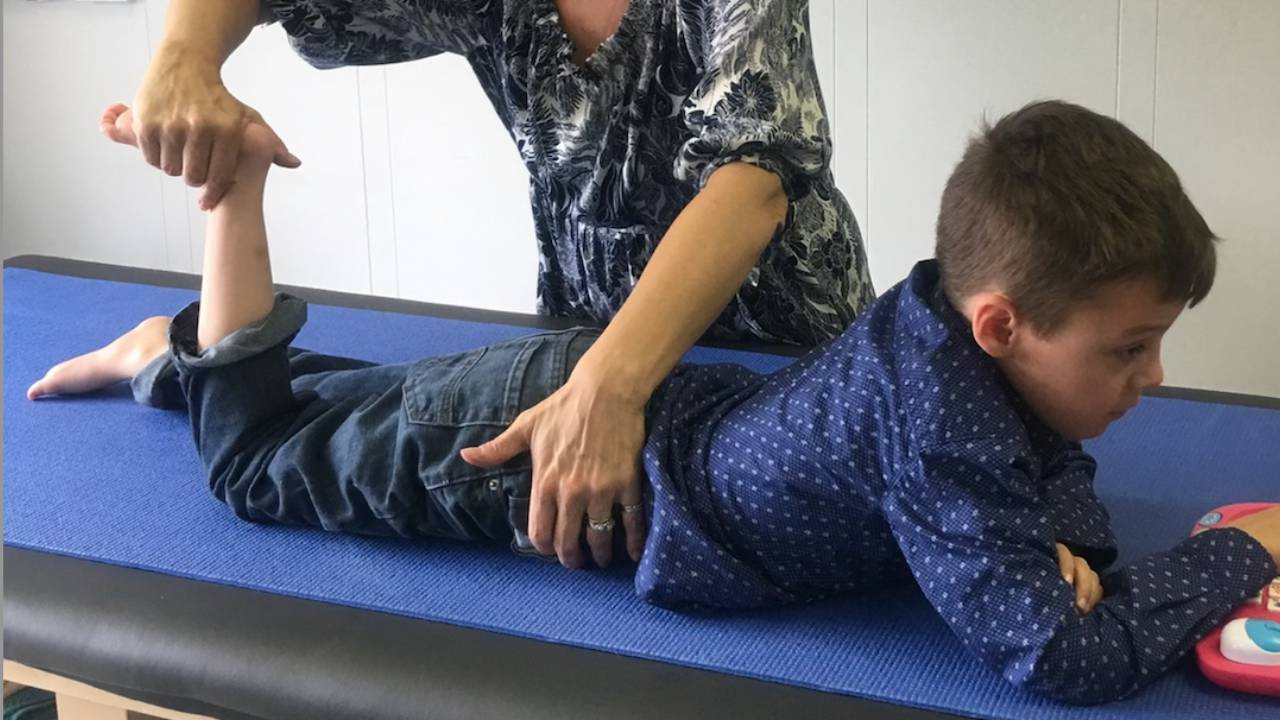
Who the Feldenkrais Method Can Help
The Feldenkrais Method is explored by people of many ages and abilities.
Some people use it to improve comfort and movement in everyday life, while others are interested in approaches that support brain learning and nervous system development.
Families sometimes explore Feldenkrais-based approaches when looking for gentle ways to support children who may benefit from improved coordination, body awareness, or movement learning.
People may be interested in the Feldenkrais Method if they want to explore ways to support:
-
balance and coordination
-
posture and alignment
-
comfort in everyday movement
-
body awareness and movement efficiency
Because the lessons are slow and adaptable, they can often be adjusted to suit a wide range of individuals.
What Happens in a Feldenkrais Lesson?
Feldenkrais practitioners typically offer two types of lessons:
Awareness Through Movement® (ATM)
These are guided group lessons where the practitioner verbally leads students through a sequence of gentle movements.
Lessons are usually done:
-
lying on the floor
-
sitting
-
or sometimes standing
Participants move slowly and comfortably while paying attention to how their body feels.
Functional Integration® (FI)
These are one-on-one sessions where the practitioner uses gentle hands-on guidance to help the student explore new movement possibilities.
The movements are very small and comfortable, allowing the nervous system to learn without strain.
Both types of lessons encourage curiosity, awareness, and gradual learning.
The Science of Neuroplasticity
The Feldenkrais Method is based on the idea that the brain has the ability to learn and change throughout life. This ability is known as Neuroplasticity.
When people move slowly and pay attention to how their body feels, the brain receives clearer sensory information.
This information allows the nervous system to explore different movement patterns and refine how the body organizes itself.
Rather than forcing the body to change, Feldenkrais lessons invite the brain to:
-
notice differences in movement
-
explore new possibilities
-
discover more comfortable ways of moving
Over time, these small learning experiences may lead to greater ease and coordination in daily life.
Research on the Feldenkrais Method
Research on the Feldenkrais Method is still developing, but several studies have explored how Feldenkrais lessons may influence balance, movement awareness, and comfort.
Because the Feldenkrais Method focuses on learning through movement rather than medical treatment, many studies examine changes in movement quality, balance, and body awareness.
Below are some examples of research that has explored the approach.
Systematic Review of Feldenkrais Research
A 2015 systematic review analyzed multiple studies examining the effects of the Feldenkrais Method on balance, movement, and functional ability.
The review found evidence suggesting Feldenkrais lessons may help improve balance and functional movement, particularly in older adults.
Read the research:
Evidence-Based Complementary and Alternative Medicine (2015)
https://www.ncbi.nlm.nih.gov/pmc/articles/PMC4408630/
Study on Balance and Mobility in Older Adults
One controlled study investigated the effects of Feldenkrais balance classes on mobility and balance in older adults.
Participants who attended Feldenkrais classes showed improvements in measures of balance confidence, gait speed, and mobility after the program.
Study details:
Connors et al., Journal of Aging and Physical Activity
https://pubmed.ncbi.nlm.nih.gov/19553385/
Research on Pain and Movement Comfort
Some studies have explored how Feldenkrais lessons may influence comfort and movement in people experiencing chronic musculoskeletal pain.
For example, research examining people with neck or shoulder pain found participants practicing Feldenkrais reported reduced pain and improved movement comfort compared with control groups.
Study details:
Lundqvist et al., Clinical Rehabilitation
https://pubmed.ncbi.nlm.nih.gov/24907640/
Research on Functional Movement and Balance
Additional research reviews have examined the role of Feldenkrais lessons in improving movement function.
A 2022 review reported that Feldenkrais-based interventions were associated with improvements in functional balance, perceived effort, and quality of movement across several studies.
Study details:
Berland et al., International Journal of Environmental Research and Public Health
https://pubmed.ncbi.nlm.nih.gov/36360614/
Ongoing Research
Researchers continue to explore how Feldenkrais lessons may influence movement learning, balance, and nervous system function.
Some current studies are examining how the method may affect areas such as:
-
balance and fall prevention
-
chronic pain
-
movement efficiency
-
body awareness and coordination
As interest in Neuroplasticity continues to grow, movement-based learning approaches like Feldenkrais are receiving increasing research attention.
How the Feldenkrais Method Compares to Other Methods
The Feldenkrais Method is part of a broader group of approaches that explore how movement and awareness can support brain learning.
While each method has its own philosophy and techniques, many share similar principles related to neuroplasticity.
For example, some practitioners and families also explore:
- Anat Baniel Method® – a movement-based approach derived from Feldenkrais principles that focuses on children and neurological learning
- NeuroHorizons® – an approach focused on supporting developmental movement learning
- Rhythmic Movement Training – movements designed to support early developmental reflex patterns
These approaches differ in training methods and teaching styles, but many share the idea that the brain can learn through gentle movement experiences.
Can Parents Use These Principles at Home?
Many of the principles behind the Feldenkrais Method relate to curiosity, gentle movement, and paying attention to how the body feels.
Parents sometimes incorporate simple ideas from these approaches into everyday activities by encouraging:
-
slow exploration of movement
-
comfort and ease rather than effort
-
noticing differences in how movements feel
While working with a trained practitioner can provide guidance, many families enjoy learning simple ways to bring more awareness and gentle movement into daily routines.
Not Sure Where to Start?
If you're feeling unsure which approach is the right fit, you're not alone.
Many parents find that starting with gentle, low-pressure movement at home can be a helpful first step.
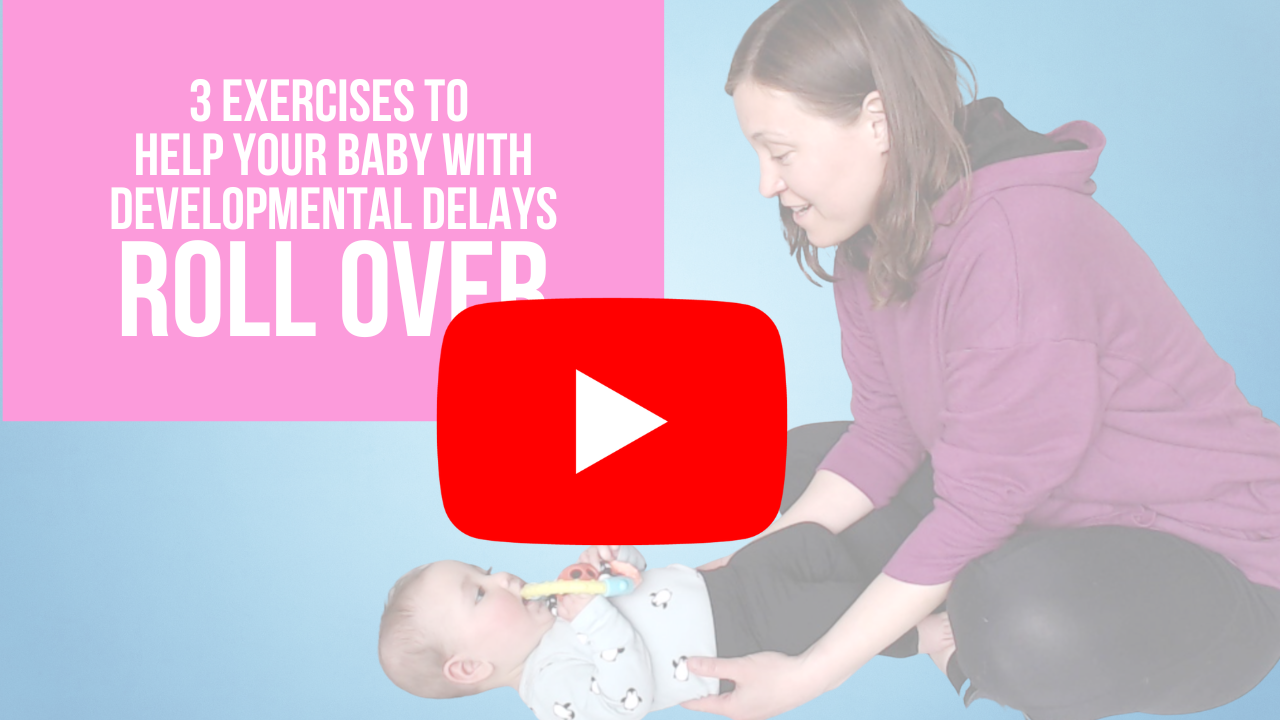
To help with this, I created a short free video where I walk you through 3 gentle movement ideas to support:
• rolling
• coordination
• body awareness
These are simple ways to support your child, especially if you're not sure where to begin or your child is sensitive to more intense therapy.
Watch how to support your child at home (2 minutes)
Frequently Asked Questions
Is the Feldenkrais Method a therapy?
The Feldenkrais Method is usually described as movement education rather than medical therapy.
Lessons focus on helping people learn new movement possibilities through awareness and exploration.
Is the Feldenkrais Method gentle?
Yes. Feldenkrais lessons are designed to be slow, comfortable, and adaptable.
Participants are encouraged to move within their own range and stop whenever something feels uncomfortable.
How is Feldenkrais different from exercise?
Exercise often focuses on strengthening muscles or improving fitness.
Feldenkrais lessons focus on how the brain organizes movement, helping people explore new patterns that may feel easier and more efficient.
Can children do Feldenkrais lessons?
Many practitioners adapt Feldenkrais principles when working with children.
These lessons are often playful and gentle, focusing on supporting movement learning and body awareness.
Find a Feldenkrais Practitioner near you
Feldenkrais practitioners complete extensive training programs focused on movement, learning, and nervous system development.
If you are interested in exploring the Feldenkrais Method, you can browse practitioners in the directory below.