What Is NeuroHorizons®?
A Parent’s Guide
A gentle movement approach that supports brain learning and coordination
Quick Navigation:
• What Is NeuroHorizons?
• Who NeuroHorizons Can Help
• What Happens in an NeuroHorizons Session
• The Science of Neuroplasticity
• Research on NeuroHorizons
• How NeuroHorizons Compares to Other Methods
• Can Parents Use These Principles at Home?
• Find a NeuroHorizons Practitioner
• Frequently Asked Questions
What Is NeuroHorizons®?
NeuroHorizons is a movement-based learning approach designed to support how the brain and body develop and work together.
The method focuses on the idea that movement experiences help the brain organize itself, especially during early development.
Practitioners guide individuals through gentle developmental movements and sensory experiences that aim to support the brain’s ability to learn, adapt, and refine movement patterns.
Rather than focusing on correcting the body or strengthening muscles, NeuroHorizons emphasizes:
-
movement exploration
-
sensory awareness
-
developmental patterns
-
learning through gentle experiences
The approach is often explored by families interested in supporting brain development through movement and sensory input.
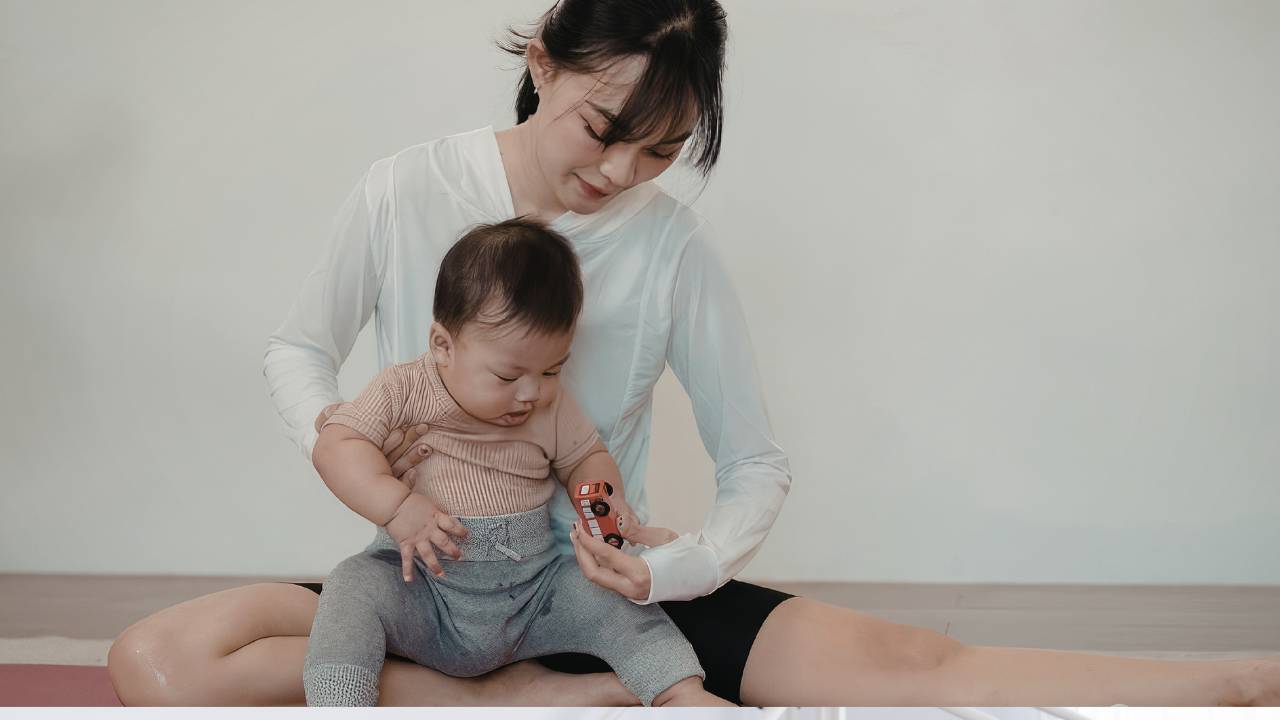
Who NeuroHorizons® Can Help
NeuroHorizons is most often explored by families interested in movement-based approaches that support development and nervous system learning.
Practitioners may work with individuals of different ages, though the approach is often associated with supporting children during important developmental stages.
Families sometimes explore NeuroHorizons principles when looking for approaches that may support:
-
coordination and movement organization
-
body awareness
-
sensory processing
-
balance and posture
-
developmental movement patterns
Because the movements are typically gentle and adaptable, sessions can often be adjusted to meet the needs of each individual.
What Happens in a NeuroHorizons®Sesson?
Sessions in NeuroHorizons involve guided movement experiences designed to support developmental learning.
Practitioners may guide individuals through:
-
gentle movement sequences
-
developmental movement patterns
-
sensory awareness activities
-
slow movement exploration
Sessions often focus on creating an environment where the nervous system can experience new movement possibilities without pressure or strain.
The goal is not to force change, but to create opportunities for the brain to notice differences, explore movement options, and refine coordination over time.
Sessions may be offered individually or in small groups depending on the practitioner.
The Science of Neuroplasticity
NeuroHorizons is based on the concept of Neuroplasticity, the brain’s ability to learn and change throughout life.
Neuroscience research shows that the brain continually adapts in response to experience, especially during early development.
Movement and sensory experiences provide important information to the nervous system, helping the brain refine how the body organizes movement.
By providing gentle, varied movement experiences, approaches like NeuroHorizons aim to support the brain’s natural learning processes.
Research on NeuroHorizons®
Research specifically focused on NeuroHorizons is still limited, and the approach is considered an emerging movement-learning method.
However, the principles behind the method draw from broader research areas related to:
-
neuroplasticity and brain development
-
movement learning
-
sensory-motor integration
-
developmental movement patterns
Researchers continue to explore how movement-based learning approaches may influence coordination, balance, and body awareness.
As interest in neuroplasticity grows, studies examining movement-based learning methods continue to expand.
How NeuroHorizons® Compares to Other Methods
NeuroHorizons shares similarities with other approaches that focus on brain learning through movement and sensory experience.
Families exploring NeuroHorizons may also encounter approaches such as:
• Feldenkrais Method
uses gentle movement exploration to support awareness and coordination
• Anat Baniel Method®
a neuroplasticity-based approach derived from Feldenkrais principles
• Rhythmic Movement Training
focuses on early developmental movement patterns
• Masgutova Neurosensorimotor Reflex Integration (MNRI®)
works with reflex patterns to support regulation, coordination, and overall neurological function
While each method has its own training programs and teaching styles, many share the idea that the brain can learn and adapt through movement experiences.
Can Parents Use These Principles at Home?
Some of the ideas behind NeuroHorizons relate to gentle movement exploration and sensory awareness.
Parents sometimes incorporate similar principles into everyday activities by encouraging:
-
slow, comfortable movement
-
playful exploration
-
curiosity about how movements feel
-
opportunities for varied movement experiences
While working with a trained practitioner can provide guidance, many families enjoy exploring ways to support movement learning through everyday activities.
Frequently Asked Questions
Is NeuroHorizons a therapy?
NeuroHorizons is generally described as a movement-based learning approach rather than medical therapy.
Sessions focus on supporting movement awareness and developmental learning.
Is NeuroHorizons gentle?
Yes. Sessions typically involve slow and comfortable movements designed to allow the nervous system to explore new possibilities without strain.
How is NeuroHorizons different from exercise?
Exercise usually focuses on strengthening muscles or improving fitness.
NeuroHorizons sessions focus on how the brain organizes movement, encouraging learning through gentle exploration.
Find a NeuroHorizons® Practitioner near you
Practitioners of NeuroHorizons complete specialized training focused on movement, development, and nervous system learning.
If you are interested in exploring NeuroHorizons, you can browse practitioners in the directory below.
NeuroHorizons® is a registered trademark of its respective owner. https://www.neurohorizons.world/
This page is provided for educational and informational purposes.