Dynamic Movement Intervention (DMI®) vs Anat Baniel Method® (ABM®)
A Parent’s Guide to Two Neuroplasticity-Based Movement Approaches
DMI® vs ABM®: Quick Answer
Dynamic Movement Intervention® (DMI®) and the Anat Baniel Method® (ABM®) are both movement-based approaches used to support children’s development.
The key difference is that DMI® uses dynamic movement challenges to stimulate automatic postural responses, while ABM® uses gentle, exploratory movement to support brain-body connection and learning.
Both approaches are influenced by principles related to neuroplasticity and may support children developing motor skills.
Trying to Decide Between DMI® and ABM®?
If your child is working toward milestones like rolling, sitting, standing, or walking, you may come across both DMI® and ABM®.
Many parents wonder:
• What’s the difference between these approaches?
• Is one more effective than the other?
• Which one is right for my child?
You’re not alone, and the answer often depends on your child’s unique needs, sensitivities, and learning style.
This Guide Will Help You Understand:
• What DMI® is
• What ABM® is
• How the two approaches compare
• Which children may benefit from each
• How to choose a starting point
This Guide Is Especially Helpful If:
• your child has motor delays or neurological challenges
• you’ve been recommended DMI® or ABM®
• your child feels overwhelmed by more intense therapy approaches
• you’re looking for ways to support your child at home
What Is Dynamic Movement Intervention (DMI®)?

Dynamic Movement Intervention® (DMI®) is a pediatric therapy technique developed by Tatiana A. Tondre and Anna F. Tondre.
DMI focuses on helping children develop automatic postural responses and motor control through dynamic movement challenges.
Sessions often include:
• supported standing or stepping
• balance challenges
• trunk activation
• responding to changes in position
DMI is typically delivered by trained therapists and is often used within structured therapy sessions.
What Is the Anat Baniel Method® (ABM®)?
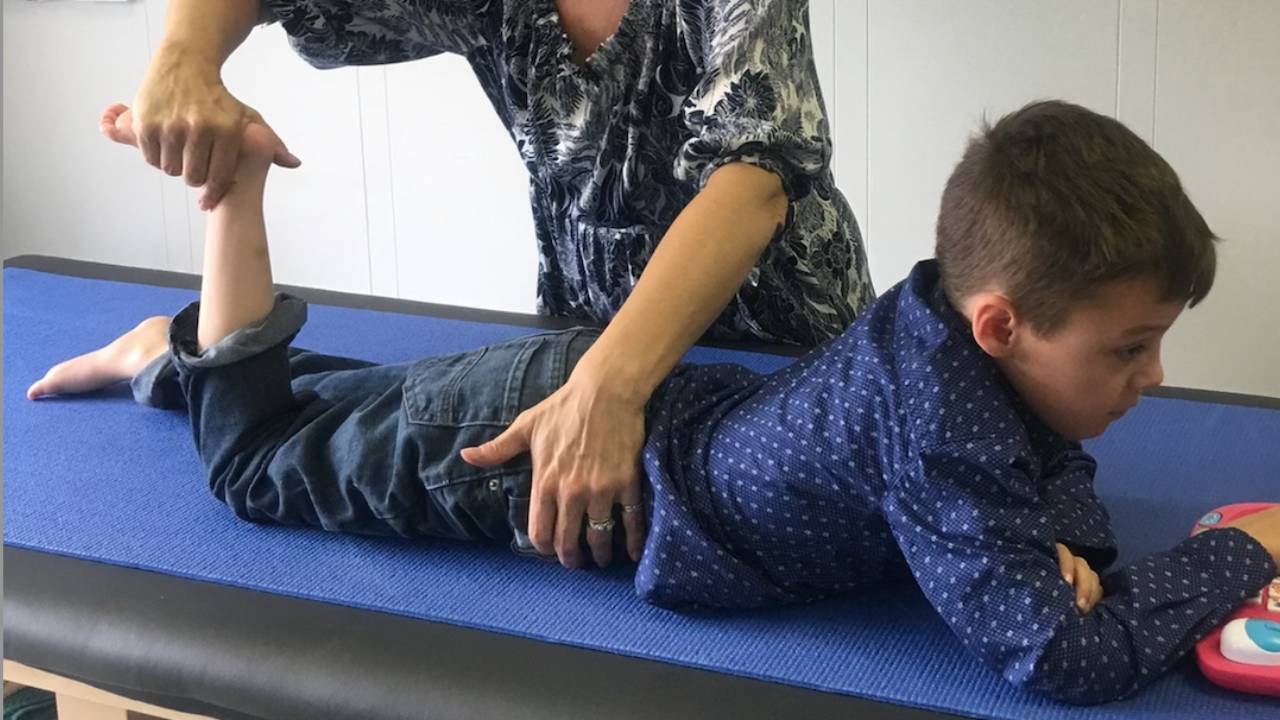
The Anat Baniel Method® (ABM®) is a neuroplasticity-based approach developed by Anat Baniel.
ABM focuses on helping children learn through gentle, slow, and varied movement experiences that support the brain’s ability to organize and improve movement.
Rather than focusing on repetition or intensity, ABM emphasizes:
• awareness and attention
• variability in movement
• reducing effort and strain
• creating conditions for learning
ABM may be used by trained practitioners and can also include ways for parents to support their child at home.
Key Similarities Between DMI® and ABM®
Both approaches:
• are influenced by neuroplasticity principles
• focus on improving movement and coordination
• involve guided movement experiences
• may be used with children with developmental delays or neurological conditions
Both aim to support the brain’s ability to learn and adapt through movement.
How DMI® and ABM® Compare
Focus
DMI®
Developing automatic postural responses
ABM®
Improving brain-body communication and movement awareness
Approach
DMI®
Dynamic movement challenges that stimulate motor responses
ABM®
Gentle, exploratory movement that supports learning
Session Style
DMI®
Active, therapist-led movement challenges
ABM®
Slow, guided, low-force movement interactions
Intensity
DMI®
More physically demanding and challenge-based
ABM®
Gentle and often calming
Role of Parent
DMI®
Typically therapist-led
ABM®
May include parent involvement and home support
Important Note
Some families explore both approaches at different times, depending on their child’s needs and tolerance for different types of movement experiences.
Which Approach Is Right for Your Child?
There is no single “best” approach.
Some children benefit from:
• more active, challenge-based approaches like DMI®
• gentler, learning-focused approaches like ABM®
• a combination of approaches over time
Children who are sensitive, easily overwhelmed, or struggle with effort may respond well to gentler approaches.
Others may benefit from more structured physical challenges.
The best approach depends on your child’s:
• comfort level
• nervous system regulation
• current abilities
• response to movement experiences
Not Sure Where to Start?
If you're feeling unsure which approach is the right fit, you're not alone.
Many parents find that starting with gentle, low-pressure movement at home can be a helpful first step.
To help with this, I created a short free video where I walk you through 3 gentle movement ideas to support:
• rolling
• coordination
• body awareness
These are simple ways to support your child, especially if you're not sure where to begin or your child is sensitive to more intense therapy.
Watch how to support your child at home (2 minutes)

How to Find a CME® Therapist Near You
If you're ready to explore working with a therapist, you can start here:
Cuevas Medek Exercises practitioners
→ Cuevas Medek Exercises Practitioner Directory
Supporting Your Child Between Therapy Sessions
Many families choose to work with therapists while also supporting their child’s movement at home.
Even small, gentle movement experiences throughout the day can help build:
• awareness
• coordination
• confidence
If you'd like a simple place to start, you can watch the free video here.
Other Movement-Based Approaches Parents Often Explore
While physical therapy is often the foundation of a child’s care, some families also explore additional approaches that focus on movement and nervous system learning.
These approaches may be used alongside physical therapy or as part of a broader plan:
• Anat Baniel Method®
a neuroplasticity-based approach focused on gentle movement and brain-body connection
• Feldenkrais Method®
uses slow, exploratory movement to improve coordination and awareness
• Dynamic Movement Intervention (DMI®)
focuses on developing postural responses through dynamic movement challenges
• Cuevas Medek Exercises® (CME®)
focuses on stimulating automatic motor responses through structured movement challenges
• Rhythmic Movement Training
focuses on early developmental movement patterns
• NeuroHorizon Method
a newer approach focused on neurological development
• JRK Method
a movement-based approach used with children with developmental challenges
Each approach works differently, and families often explore the options that best support their child’s needs.
Frequently Asked Questions
Is DMI® better than ABM®?
There is no single approach that is best for every child.
Some children respond well to dynamic, challenge-based approaches like DMI®, while others benefit from gentler, learning-based approaches like ABM®.
Can these approaches be used together?
Some families explore different approaches at different stages or combine elements depending on their child’s needs. It's recommended to start with one, before adding another.
Which approach is better for sensitive children?
Some parents find that gentler approaches like ABM® may be a good starting point for children who are easily overwhelmed.
Can I support my child’s development at home?
Yes. Many parents support their child’s movement through simple, everyday activities.
These may include:
• encouraging varied movement
• allowing time for exploration
• supporting balance and coordination through play
If you’d like guidance, you can start with the free video here.
The information on this website is provided for educational purposes only and is not intended as medical advice.
Movement approaches such as Dynamic Movement Intervention®, Anat Baniel Method®, Cuevas Medek Exercises®, the Feldenkrais Method®, and other methods discussed on this site are provided by trained practitioners. Outcomes can vary depending on the individual child and their needs.
Parents should consult with qualified healthcare professionals when making decisions about therapy or medical care for their child.
This website is an independent educational resource and is not affiliated with or endorsed by the organizations associated with these methods.