Cuevas Medek Exercises (CME®) vs Physical Therapy
A Parent’s Guide to Understanding the Difference
CME® vs Physical Therapy: Quick Answer
Cuevas Medek Exercises (CME®) and traditional physical therapy are both used to support children’s motor development.
The key difference is that CME® focuses on stimulating automatic motor responses through structured movement challenges, while physical therapy often focuses on strengthening, range of motion, and practicing specific functional skills.
Both approaches are often used together as part of a child’s overall therapy plan.
Trying to Understand If CME® Is Different From Physical Therapy?
If your child is working toward milestones like rolling, sitting, standing, or walking, you may have been recommended physical therapy — and then heard about CME®.
Many parents wonder:
• Is CME the same as physical therapy?
• Do we need both?
• Is one better than the other?
You’re not alone, and understanding the differences can help you make more confident decisions.
This Guide Will Help You Understand:
• What Cuevas Medek Exercises (CME®) are
• What physical therapy involves
• How the two approaches compare
• When each may be helpful
• How they are often used together
This Guide Is Especially Helpful If:
• your child is already in physical therapy
• you’ve been recommended CME®
• you’re wondering if you should switch or add something new
• you want to better understand your options
What Are Cuevas Medek Exercises (CME®)?
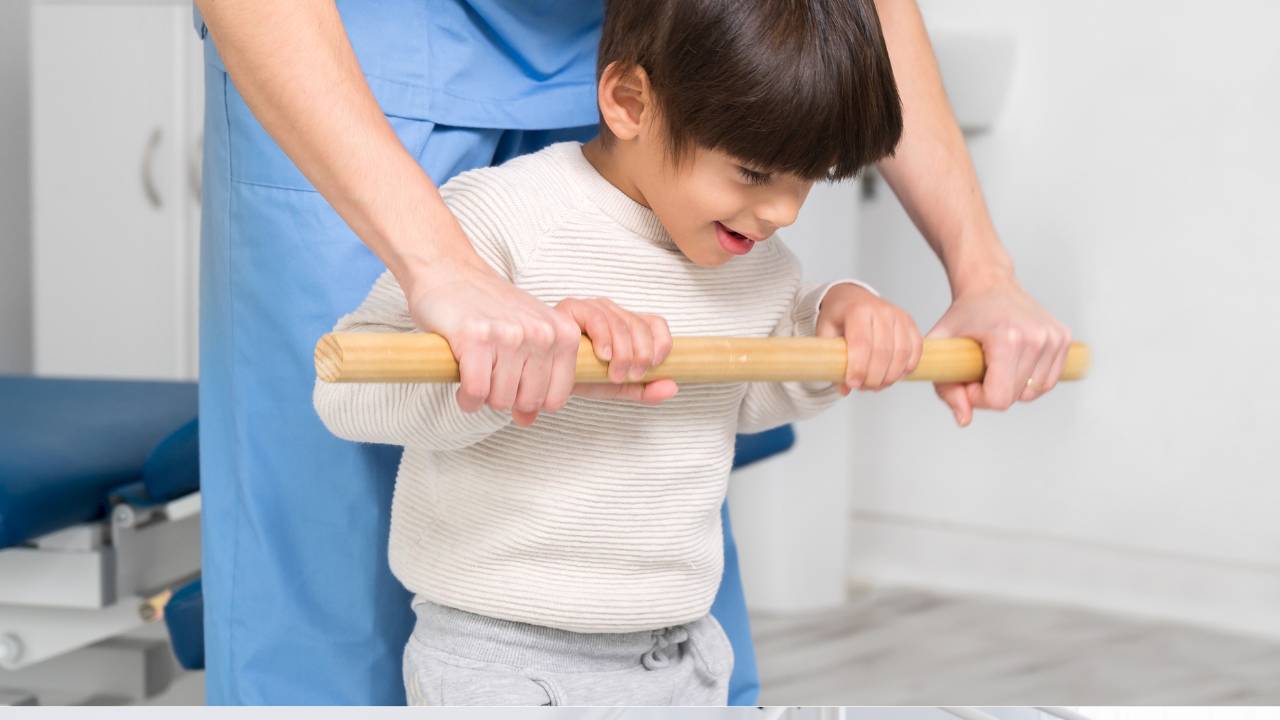
Cuevas Medek Exercises® (CME®) is a pediatric therapy approach developed by physical therapist Ramón Cuevas.
CME focuses on helping children develop automatic motor responses and postural control through structured movement challenges.
Rather than focusing only on strengthening individual muscles, CME therapy encourages the body to respond to movement, gravity, and changes in position.
Sessions often include:
• supported positions that encourage active responses
• balance challenges
• trunk and postural activation
• responding to changes in body position
The goal is to help the nervous system develop more effective motor responses that support skills like sitting, standing, and walking.
CME therapy is commonly used with infants and children who have delays in motor development.
What Is Physical Therapy?
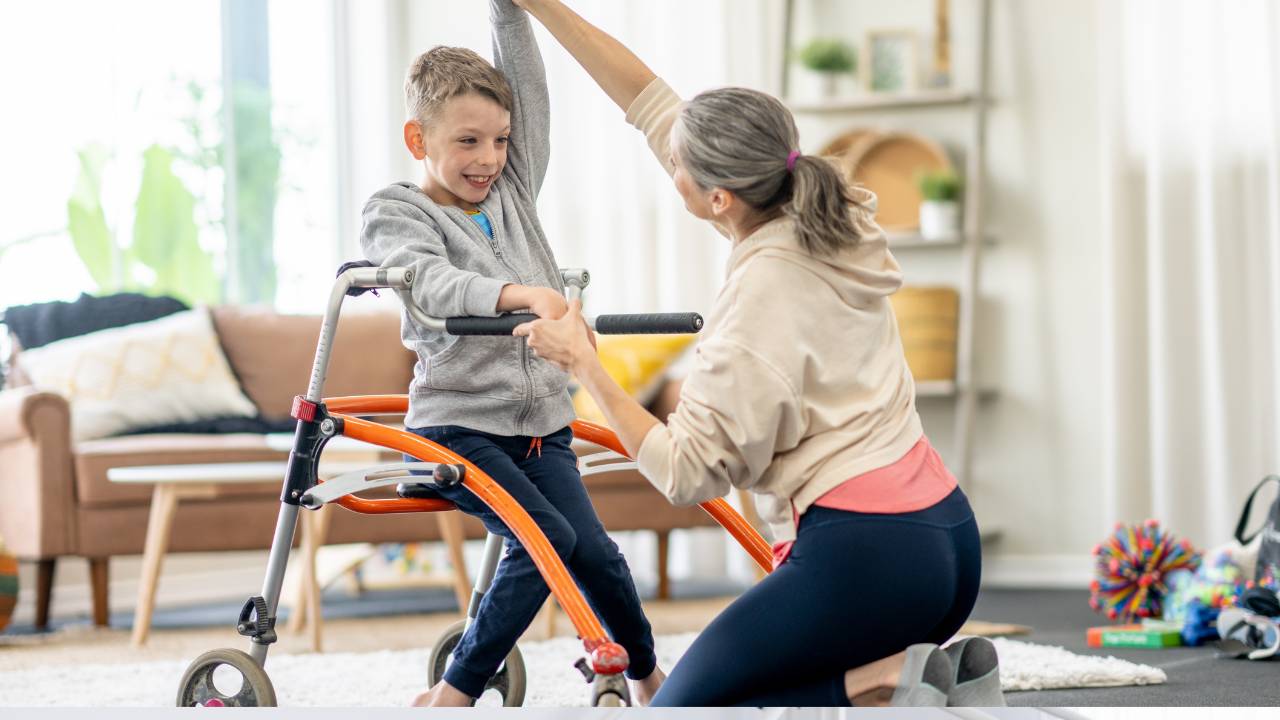
Physical therapy (physiotherapy) is a broad healthcare profession focused on improving movement, strength, and physical function.
Pediatric physical therapy may include:
• strengthening exercises
• stretching and range of motion
• practicing motor skills (sitting, walking)
• positioning and support strategies
Physical therapists may use a variety of techniques depending on the child’s needs.
Key Similarities Between CME® and Physical Therapy
Both CME® and physical therapy:
• support motor development
• are guided by trained professionals
• may be used with children with developmental delays
• can be part of a broader therapy plan
Both approaches aim to help children build skills that support everyday movement and function.
How CME® and Physical Therapy Compare
Focus
CME®
Stimulating automatic motor responses
Physical Therapy
Strength, mobility, and functional skills
Approach
CME®
Structured movement challenges that encourage active motor responses
Physical Therapy
Exercises and skill practice based on the child’s needs
Session Style
CME®
Active, therapist-guided positioning and movement challenges
Physical Therapy
Varies widely depending on therapist and goals
Role in Care
CME®
Often used as a specialized technique within therapy
Physical Therapy
Often the foundation of a child’s therapy program
Important Note
Many children receive both physical therapy and CME® as part of a combined approach.
Which Approach Is Right for Your Child?
There is no single “best” approach.
Some children benefit from:
• physical therapy alone
• CME® integrated into therapy
• a combination of approaches
The best plan depends on your child’s needs, goals, and how they respond to different types of movement experiences.
A trained therapist can help guide you in choosing the right combination of approaches.
Not Sure Where to Start?
If you're feeling unsure which approach is the right fit, you're not alone.
Many parents find that understanding what they can do at home can be a helpful first step, alongside working with a therapist.
To help with this, I created a short free video where I walk you through 3 gentle movement ideas to support:
• rolling
• coordination
• body awareness
These are simple, low-pressure ways to support your child, even if you're still figuring out therapy options.
Watch how to support your child at home (2 minutes)

How to Find a CME® Therapist Near You
If you're ready to explore working with a therapist, you can start here:
Cuevas Medek Exercises practitioners
→ Cuevas Medek Exercises Practitioner Directory
Supporting Your Child Between Therapy Sessions
Many families choose to work with therapists while also supporting their child’s movement at home.
Even small, gentle movement experiences throughout the day can help build:
• awareness
• coordination
• confidence
If you'd like a simple place to start, you can watch the free video here.
Other Movement-Based Approaches Parents Often Explore
While physical therapy is often the foundation of a child’s care, some families also explore additional approaches that focus on movement and nervous system learning.
These approaches may be used alongside physical therapy or as part of a broader plan:
• Anat Baniel Method®
a neuroplasticity-based approach focused on gentle movement and brain-body connection
• Feldenkrais Method®
uses slow, exploratory movement to improve coordination and awareness
• Dynamic Movement Intervention (DMI®)
focuses on developing postural responses through dynamic movement challenges
• Rhythmic Movement Training
focuses on early developmental movement patterns
• NeuroHorizon Method
a newer approach focused on neurological development
• JRK Method
a movement-based approach used with children with developmental challenges
Each approach works differently, and families often explore the options that best support their child’s needs.
Frequently Asked Questions
Is CME® the same as physical therapy?
No. Cuevas Medek Exercises (CME®) is a specific therapeutic approach, while physical therapy is a broader field that includes many different techniques.
Does my child still need physical therapy if they do CME®?
In many cases, yes.
CME® is often used alongside physical therapy rather than replacing it. A physical therapist may incorporate CME techniques into a child’s overall therapy plan.
Is CME® better than traditional physical therapy?
There is no single approach that is best for every child.
Some children benefit from physical therapy alone, while others may benefit from additional approaches like CME®. Many families use a combination.
How do I know if CME® is right for my child?
This depends on your child’s current abilities, goals, and how they respond to different types of movement experiences.
A trained therapist can help guide this decision.
Can I support my child’s development at home?
Yes. Many parents support their child’s movement through simple, everyday activities.
These may include:
• encouraging varied movement
• allowing time for exploration
• supporting balance and coordination through play
If you’d like guidance, you can start with the free video here.
The information on this website is provided for educational purposes only and is not intended as medical advice.
Movement approaches such as Dynamic Movement Intervention®, Cuevas Medek Exercises®, the Feldenkrais Method®, and other methods discussed on this site are provided by trained practitioners. Outcomes can vary depending on the individual child and their needs.
Parents should consult with qualified healthcare professionals when making decisions about therapy or medical care for their child.
This website is an independent educational resource and is not affiliated with or endorsed by the organizations associated with these methods.