The Parent Guide to Neuroplasticity Approaches for Children
Helping parents understand movement-based and developmental approaches that support learning and brain development.
What Are Neuroplasticity Approaches?
Parents searching for help for developmental challenges often encounter many different approaches.
Some approaches focus on movement and the brain, others focus on relationships and development, and some focus on integrating early reflexes.
These approaches are based on the idea that the brain has the ability to learn, adapt, and reorganize throughout life.
This ability is called neuroplasticity.
Through the right kinds of experiences (movement, interaction, and learning) the brain can develop new connections that support better coordination, communication, and learning.
Each approach works in a different way, but they share a similar idea: Supporting the brain's ability to learn, can support the development of the whole child.
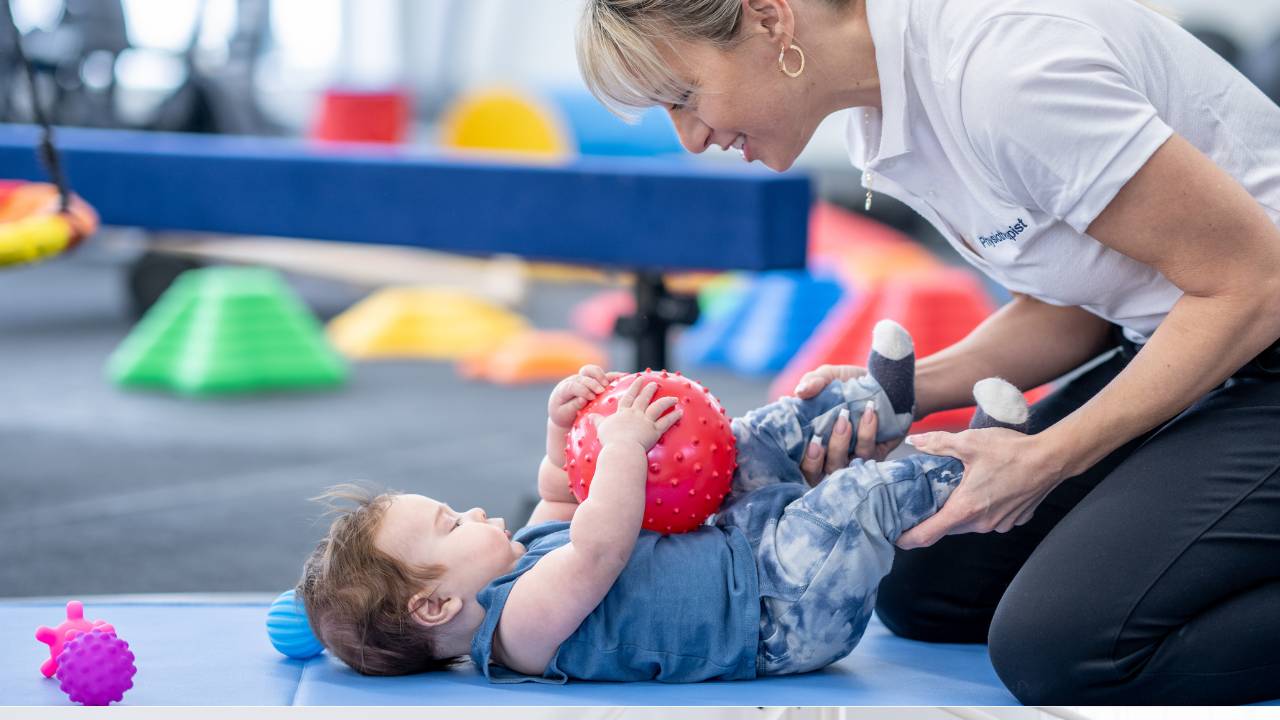
Movement-Based and Developmental Neuroplasticity Approaches
Below are several approaches that focus on supporting the brain’s ability to learn through movement, development, and experience.
Movement-Based Learning Approaches:
Anat Baniel Method® of NeuroMovement®
A movement-based learning approach that focuses on helping the brain learn through gentle, novel movement experiences. Practitioners guide children through small movements that bring attention to differences and patterns, helping the brain organize movement, coordination, and learning in new ways.
Feldenkrais Method
A movement learning approach that helps improve coordination, posture, and ease of movement by increasing awareness of how they move. Through slow, exploratory movements, the brain learns more efficient patterns that can support everyday function and comfort.
NeuroHorizons®
A neurodevelopmental approach that combines movement, sensory experiences, and play to support brain development in children with neurological challenges. The approach focuses on helping the nervous system develop new connections through meaningful, engaging activities.
Dynamic Movement Intervention (DMI)
A therapy approach often used with children who have motor development challenges. Therapists guide children through progressively more challenging movement experiences designed to stimulate active responses from the child’s nervous system and support the development of postural control and movement skills.
Cuevas Medek Exercises (CME)
A physiotherapy approach that focuses on provoking automatic motor responses in children with motor development delays. Therapists provide specific challenges to encourage the child to develop balance, standing, and walking skills.
- What is Cuevas Medek Exercises?
- Find a Cuevas Medek Exercise Instructor
Developmental Approaches:
DIR Floortime®
A relationship-based developmental approach that focuses on supporting emotional, social, and cognitive development through play and interaction. Parents and therapists engage with the child at their developmental level and follow the child’s interests to support communication, connection, and learning.
- What is Floortime?
- Find a Floortime Practitioner
Conductive Education
An educational approach that helps children with motor challenges learn functional skills such as sitting, standing, walking, and daily activities. The method uses structured learning, group activities, and repetition to help children develop independence.
- What is Conductive Education?
- Find a Conductive Education Practitioner
Reflex Integration Approaches:
MNRI Reflex Integration
Focuses on the role of early reflex patterns in development. Practitioners use specific movements and exercises designed to support the maturation and integration of reflexes that may affect posture, coordination, and learning.
- What is MNRI?
- Find a MNRI Practitioner
Rhythmic Movement Training
Uses gentle, repetitive movements that mimic the natural movements babies make during early development. These rhythmic patterns are intended to support the nervous system and the integration of early reflexes that can influence coordination, attention, and learning.
- What is Rhythmic Movement Training?
- Find a Rhythmic Movement Training Practitioner
How Parents Use These Approaches
Parents often explore these approaches when their child has challenges such as:
• Cerebral palsy
• Developmental delays
• Genetic conditions
• Autism
• Coordination challenges
• Muscle tone differences
Each child is unique, and families often explore several approaches to find what supports their child best.
The goal of this guide is to help parents understand the different options available so they can explore what might be helpful for their child.
Frequently Asked Questions About Neuroplasticity Approaches for Children
What are neuroplasticity approaches?
Are these approaches considered therapies?
What types of children might benefit from these approaches?
Do parents need a practitioner to try these approaches?
How do I choose which approach is right for my child?
Can these approaches be combined?
How do I find a practitioner near me?
Can parents support their child’s brain development at home?
About the Creator of This Guide
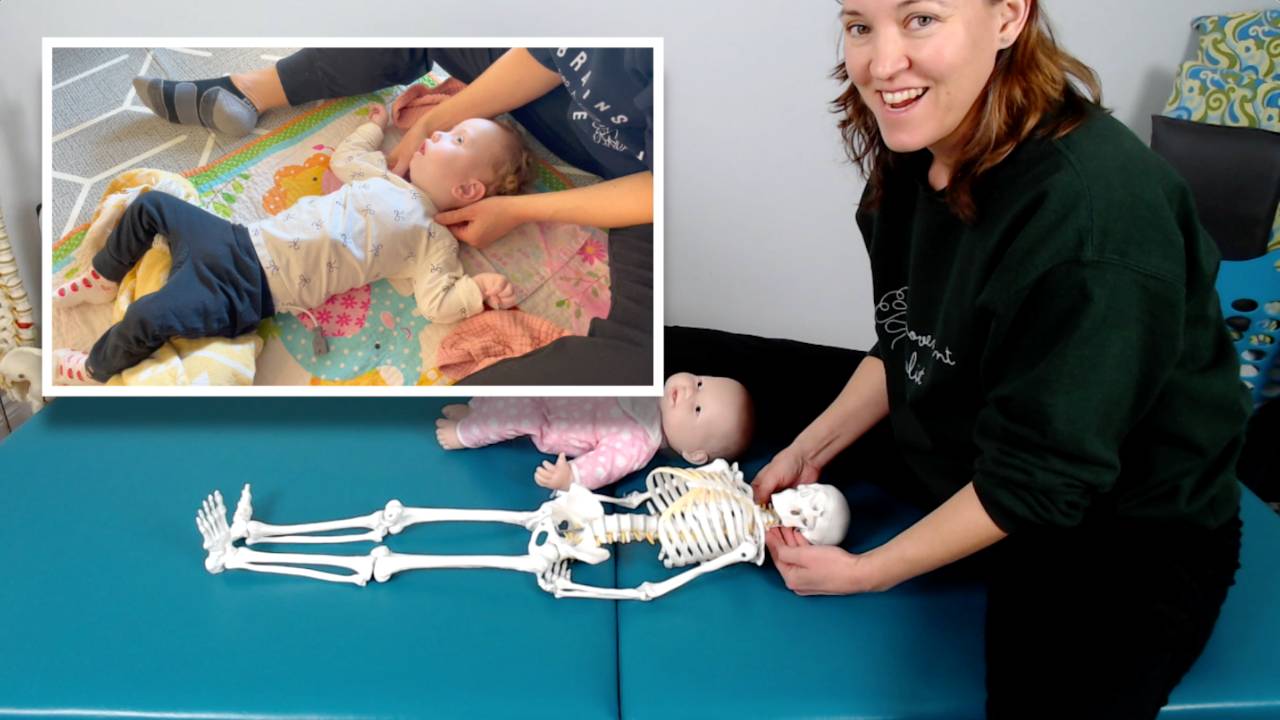
Hi, I'm Jen! I'm passionate about teaching humans how to move better by working with their brain.
After the birth of my daughter with a rare genetic disorder, I quickly discovered that her physical challenges couldn't be fixed by doing exercises to her.
I had to find a way to teach her brain - the command center of our whole body - to learn how to better organize her own movements.
I found the Anat Baniel Method® of NeuroMovement® and started showing other parents how to help their children with disabilities.
Brain's coordinate our physical, emotional and intellectual abilities. It's a complex system, and once one piece is upgraded, the other pieces are too!
Your child's brain has ability to change, learn and grow new connections.
Support your child's brain and natural development right from home:
LEARN MORE >>This website provides educational information about different approaches parents explore to support learning and development. It is not medical advice and does not replace consultation with licensed healthcare professionals.
Practitioner listings are provided as a resource and do not constitute endorsement.